Walking into the Tibetan Cafe a few minutes ago, the sound of Eric Clapton’s guitar screamed out like a banshee alarm clock. I ordered coffee and settled in to listen to the blues amongst an assortment of travellers and tourists.
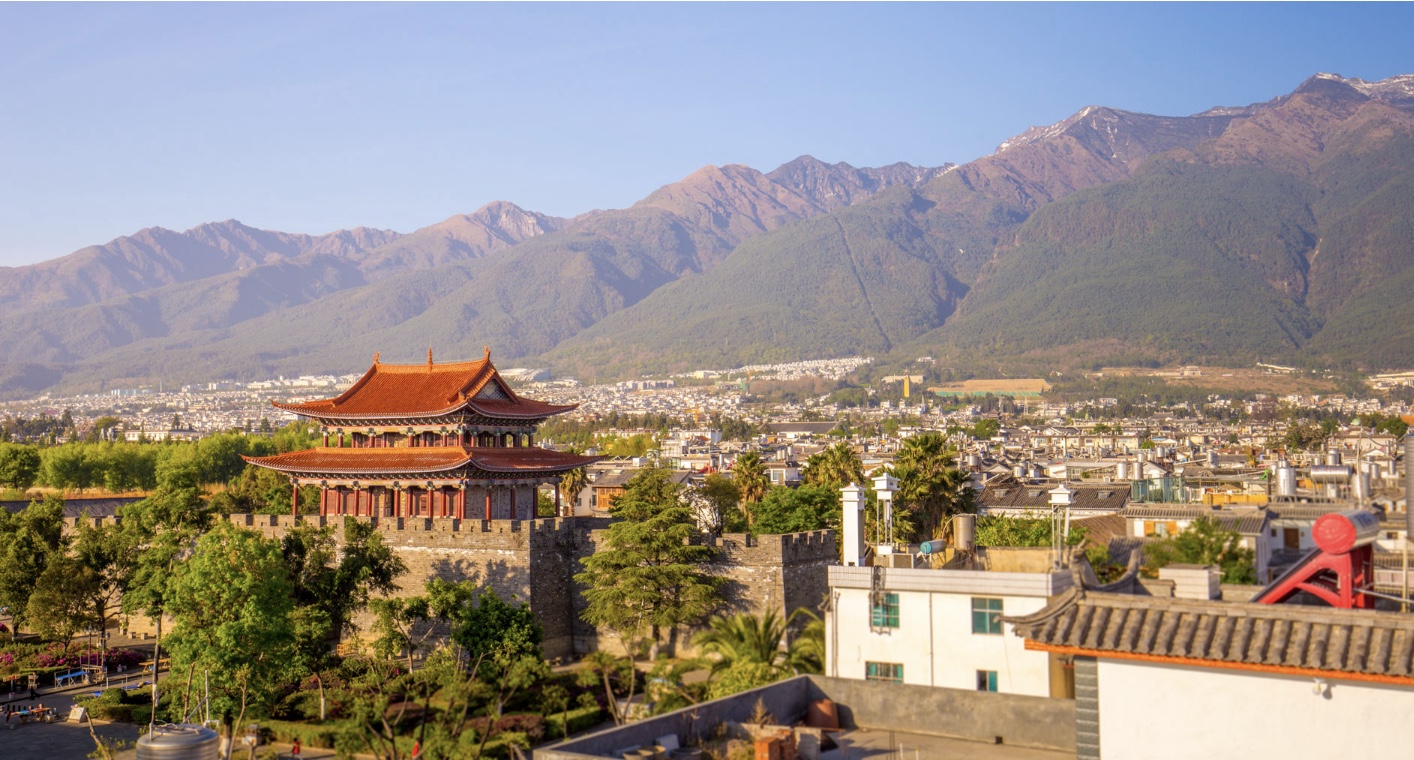
This place, Dali, is something else. The street upon which the Tibetan Cafe is but one of dozens similar places, is uncannily like Freak Street in Kathmandu. It is lined with shops selling hippie clothes and ethnic jewellery. Cafes purvey excellent local food and realistic versions of Western dishes. Some of the delicacies on the menu here are scrambled eggs, English breakfast (tea with fried eggs and bacon), American breakfast (eggs, hash browns, tomato), as well as the karmic-sounding “Dalai Lama’s breakfast” and assorted local breakfast items.

We have made a number of excellent new acquaintances here. A Canadian chap called Ryan, who has a large collection of CDs, several of which he graciously allowed me to listen to; two Dutch girls, Peggy and Femke, whom we first met in Lijiang; and a Dutch chap, whose name we don’t even know, who we dined with last night and who had us in fits of laughter with his travel stories. Along with lots of nice people – this is the first place on the trip where we feel that we are in a traveller’s hangout – there are plenty of prats: sour Israelis making lots of noise and swaggering around in large packs, snotty backpackers who seem so morose and unhappy that I often wonder “why the fuck did you leave home?”, and even the odd stoner, perhaps taking a holiday from Goa or Bangkok.
One of the most interesting aspects of Dali is that the Westerners themselves are a tourist attraction. Apparently, the tourist street of Dali is known all over eastern China as “Foreigner Street” and busloads of Chinese tourists walk up and down ogling the strangely-dressed Westerners, taking photos of them (us) and videoing their (our) bizarre antics.
And bizarre it must seem, too. We foreigners like to dress in bright, outrageous, even clashing colours. We like to sit in groups discussing world politics, drugs, and journeys to far-off places. And we always carry our homes around on our backs, like a species of strange snail. So it’s no wonder, then, that Chinese tourists regard the Westerners on Foreigner Street as much of an attraction as Erhai Lake or Shapin Market.
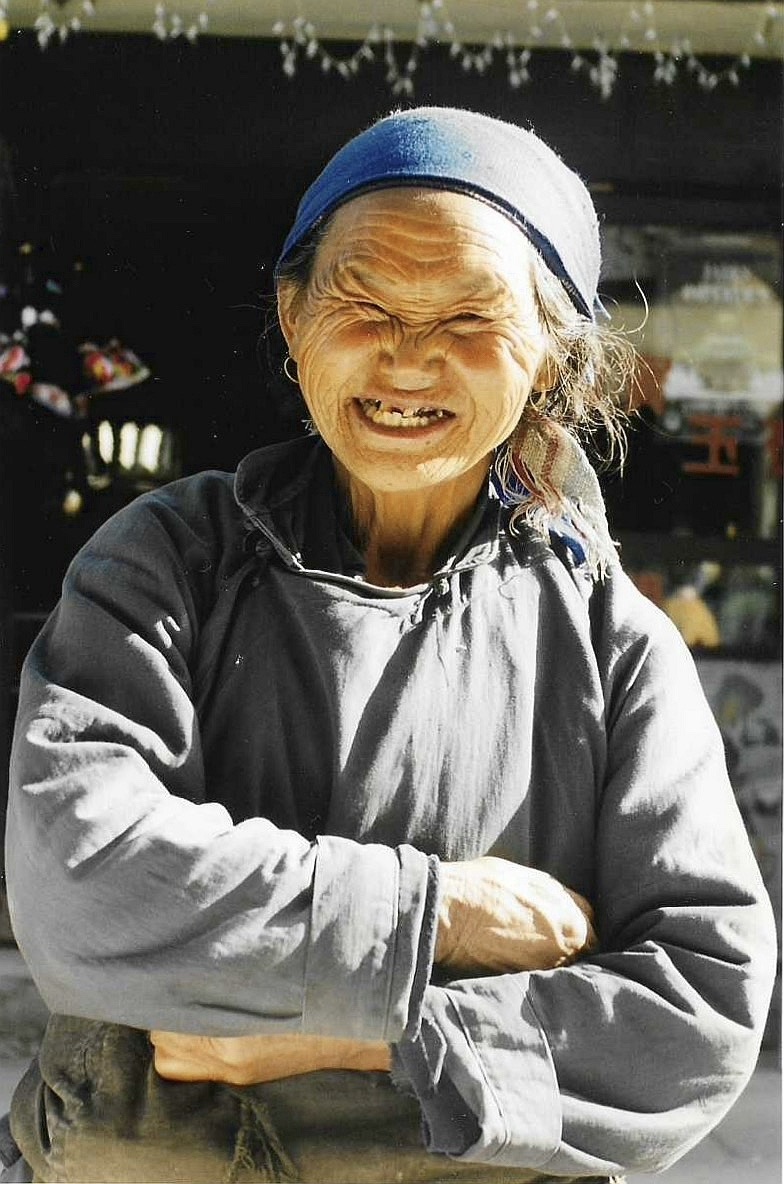
A hawker has just come into the cafe and is doing the rounds of the tables trying to peddle “silver” hair clips. As if by magic, the cafe empties of half of its customers. The people here have succumbed to the siren lure of easy money that accompanies the arrival of large numbers of tourists. The street vendors are very persistent, annoyingly so, and the older people of the town must wonder what the hell has happened to their village, which up until a few years ago was just a quiet backwater through which passed the occasional traveller or Lonely Planet researcher. And there, Horatio, is the rub. Even in the four to five years since our copy of the Lonely Planet China guidebook was written, Dali has boomed.
Over breakfast, we decide to climb up to the Zhonghe Temple on the hill overlooking Dali. But back in our room, we get talking to our roommates, Michelle from LA and Catherine from Brisbane, and before we know it, the morning has disappeared. So instead, we slope off down to Jim’s Peace Cafe, where we sit in the sun, writing letters, drinking cold drinks, and eating banana cake.

 CurseOfTheTraveller